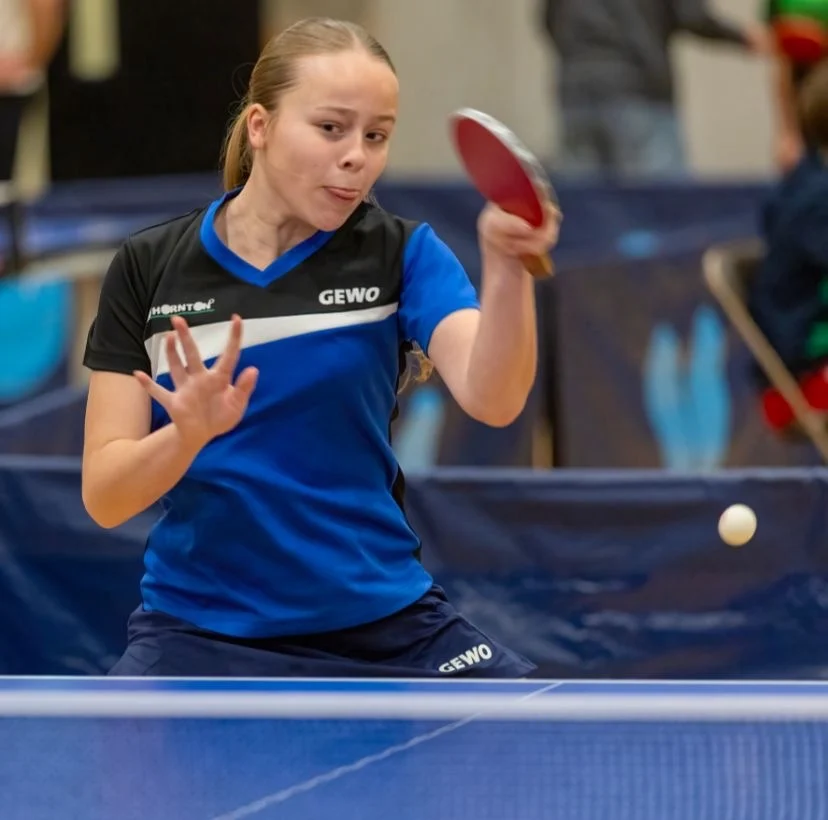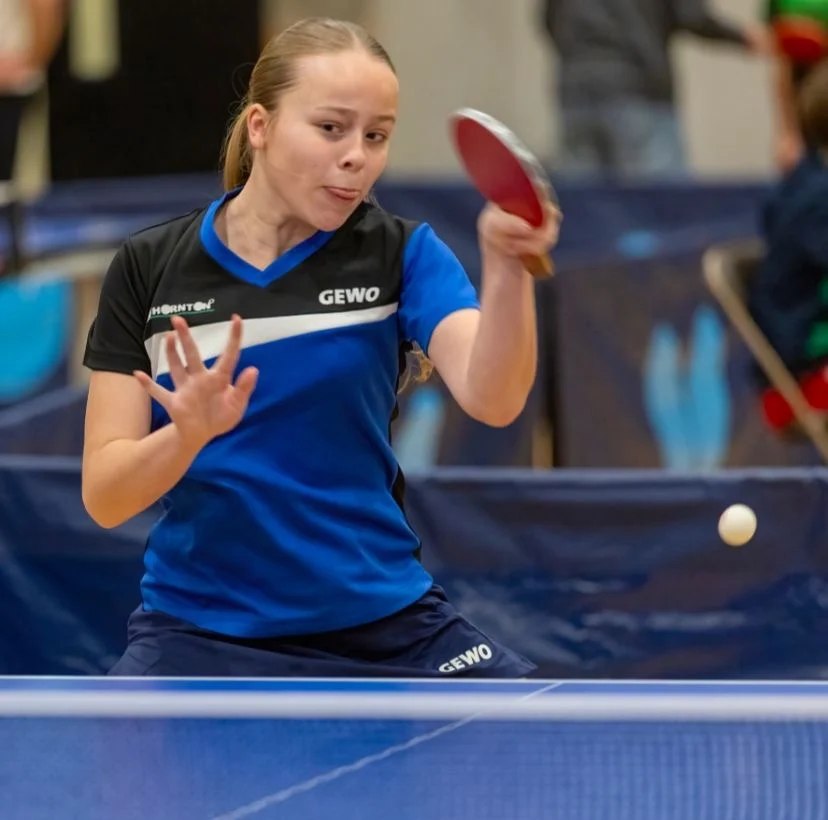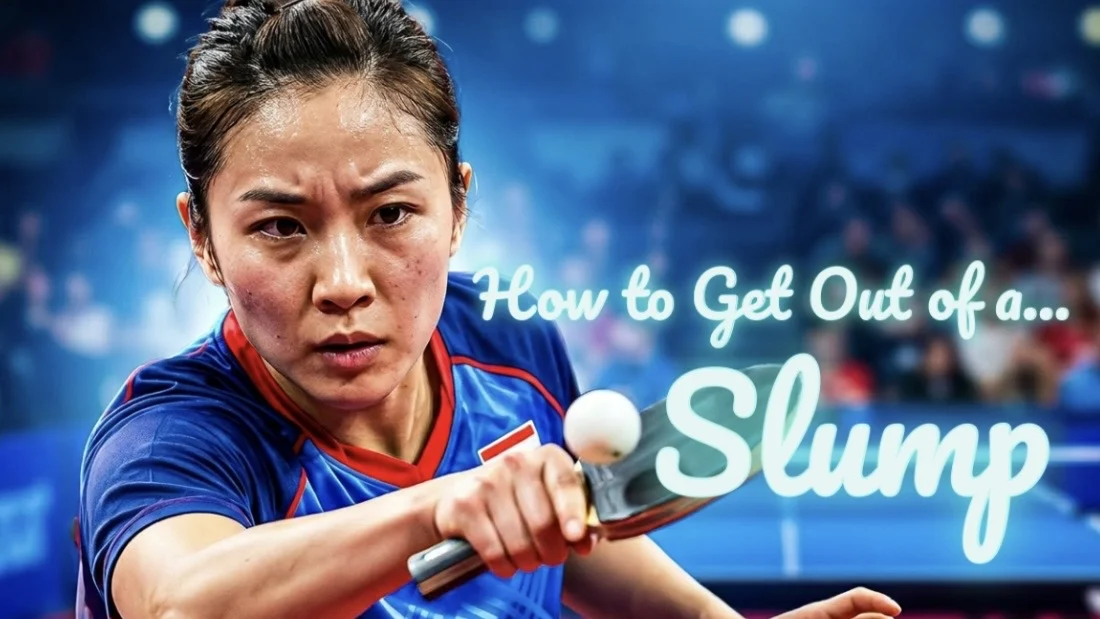
In the demanding world of competitive sports, athletes across disciplines frequently encounter periods of diminished performance, commonly referred to as "slumps." These challenging phases can manifest as a temporary dip lasting a few days, or in more severe cases, extend for months or even a full year, significantly impacting an athlete’s confidence, motivation, and overall trajectory. While universally recognized as a normal part of an athlete’s journey, navigating and effectively resolving a slump requires a multi-faceted and systematic approach that addresses not only technical deficiencies but also underlying psychological and physiological factors. This article delves into a comprehensive set of strategies, drawing upon insights from sports psychology, coaching methodologies, and biomechanical principles, to equip table tennis players with the tools necessary to overcome these performance plateaus and return to peak form.
Understanding the Nature of a Performance Slump
A performance slump in table tennis is characterized by a noticeable and often prolonged decline in an athlete’s ability to execute skills consistently, make effective tactical decisions, or maintain competitive composure, despite continued effort and training. This phenomenon is not unique to amateur players; even elite professional athletes experience slumps, highlighting their inherent complexity. Such periods can be triggered by a multitude of factors, including mental fatigue, overtraining, unresolved technical flaws, significant life stressors outside the sport, or even a loss of perspective regarding one’s goals. The psychological impact can be profound, often leading to self-doubt, anxiety, and a vicious cycle where the pressure to perform exacerbates the slump. Recognizing the onset of a slump and understanding its potential root causes is the crucial first step toward recovery.
The Critical Role of Mental and Physical Recuperation
One of the most immediate and often overlooked interventions during a slump is the deliberate integration of mental and physical rest. In high-performance environments, the relentless pursuit of improvement can lead to a state of chronic fatigue, where the mind and body struggle to recover adequately between training sessions and competitions.
Strategic Mental Decompression
After a particularly arduous tournament or a series of frustrating practice sessions, athletes often benefit immensely from a complete disengagement from the sport. Taking one or two days off from structured training is not merely about resting muscles; it is fundamentally about allowing the brain to decompress and reset. Sports psychologists frequently highlight the concept of "mental fatigue," where sustained cognitive effort, decision-making under pressure, and emotional regulation can deplete mental resources, impairing reaction time, focus, and strategic thinking. Engaging in alternative, preferably outdoor, activities provides a powerful antidote. Activities such as hiking in mountainous terrain, fishing by a waterfall, or simply stargazing offer a change of scenery and a mental break that can reduce stress hormones, improve mood, and foster a sense of perspective. This active recovery allows the neural pathways associated with table tennis to rest, often leading to improved cognitive function and renewed enthusiasm upon returning to the table. Studies in sports science underscore that adequate rest periods are not merely passive breaks but active components of an athlete’s training cycle, crucial for skill consolidation and preventing burnout.
Re-evaluating Purpose and Performance Goals
A slump can often be a symptom of a deeper misalignment between an athlete’s efforts and their overarching objectives. Therefore, a structured re-evaluation of both personal life goals and specific table tennis ambitions becomes a powerful strategy for regaining clarity and motivation.
Aligning Personal Values and Athletic Pursuit
After a period of mental rest, athletes are better positioned to reflect on their broader life goals. This introspection can provide a critical anchor, reminding them that their athletic pursuit is one component of a larger, meaningful life. For many, this might involve aligning their sporting efforts with core personal values, whether it be personal growth, discipline, community engagement, or even spiritual fulfillment. The widely recognized adage, "If you don’t know where you are going, any road will get you there," perfectly encapsulates the importance of this clarity. By understanding the ‘why’ behind their dedication, athletes can reduce the immense pressure often associated with performance outcomes, fostering a healthier and more sustainable approach to their sport. This foundational understanding acts as a psychological buffer against the transient nature of slumps, providing a stable sense of purpose.
Setting SMART Table Tennis Objectives
Following this personal re-evaluation, a critical step involves meticulously reassessing table tennis goals. Leading coaches and sports psychologists consistently advocate for the establishment of SMART goals: Specific, Measurable, Achievable, Relevant, and Time-bound. Instead of vague aspirations, athletes should set a realistic long-term objective – perhaps reaching a certain ranking, mastering a new technique, or improving consistency against a specific opponent type. Crucially, this long-term goal must then be broken down into a series of smaller, manageable challenges. These micro-goals might include consistently returning a particular serve 80% of the time in practice, winning a specific number of points with a new forehand loop, or maintaining a specific footwork pattern for an entire game.
This granular approach not only makes the overall objective less daunting but also provides incremental successes that build confidence and momentum. Athletes must internalize that the path to mastery is rarely linear; it is often characterized by "bumpy roads" and temporary setbacks. However, with the right coaching guidance, a disciplined training regimen, and unwavering persistence, these well-defined goals become achievable benchmarks for progress. The act of setting and regularly reviewing these goals serves as a powerful motivational tool, refocusing effort and reinforcing commitment even when immediate results are elusive.
Mastering Timing: The Core of Technical Precision
In table tennis, timing is arguably the most critical biomechanical element, and its disruption is a primary catalyst for performance slumps in approximately 90% of cases. A slight misjudgment in when to initiate the backswing, when to contact the ball, or how to position the body can cascade into a series of unforced errors, leading to frustration and a loss of confidence. Correcting timing issues requires a focused, analytical approach to racket preparation and ball perception.
Adapting Racket Preparation for Spin and Speed
The fundamental principle for rectifying timing problems involves consciously maintaining racket presence in front of the body for a longer duration, allowing for better visual processing of the incoming ball. This seemingly minor adjustment provides crucial extra milliseconds for decision-making and optimal body positioning.
When facing a backspin ball, a common error is to initiate the backswing too early. The correct approach dictates moving the feet quickly into the optimal position, but delaying the backswing until the ball has crossed the net by at least 12 inches (approximately 30 cm). The actual backswing should then be executed just before the ball touches the player’s side of the table. This delay ensures the player has fully registered the ball’s trajectory and spin, allowing for a more precise contact point and racket angle for an effective lift or push.
Conversely, against a topspin ball, the timing demands a different adaptation. Players should move their feet swiftly into position, but delay the backswing until the ball has nearly reached the net. The crucial nuance here lies in adjusting the length and speed of the backswing based on the characteristics of the incoming ball. For a fast topspin, a shorter, more compact swing is typically required to absorb the pace and redirect the ball effectively. For a slower topspin, a longer, more expansive swing can generate greater power and spin. A prevalent mistake among players in a slump is attempting to apply a uniform backswing for all topspin balls, irrespective of their speed, height, spin, trajectory, or contact point. Learning to dynamically adjust the backswing in response to these varying ball characteristics is a sophisticated skill that significantly enhances timing and, consequently, shot consistency and effectiveness. Drills focusing on varying incoming ball types and demanding precise, adaptive backswings are essential for embedding this critical timing adjustment into muscle memory.
Elevating Consistency: The Foundation of Victory
Consistency stands as the paramount determinant of success in table tennis, distinguishing winners from those who struggle. Regardless of an athlete’s power, speed, or tactical brilliance, the inability to consistently execute fundamental skills under pressure will inevitably lead to defeat. A slump often indicates a breakdown in this foundational element, necessitating a critical examination of shot reliability.
Deconstructing Consistency Across Key Techniques
To rebuild consistency, players must meticulously analyze specific aspects of their game:
- Serve Return: The initial interaction in a point, serve return, is pivotal. Inconsistent returns often stem from misreading the opponent’s spin. Players must dedicate time to developing their ability to discern subtle spin variations, adjust their racket angle accordingly, and prioritize controlled placement over aggressive power.
- Looping: For offensive players, consistent looping is non-negotiable. Imparting better, more consistent spin on the ball during a loop requires precise body rotation, optimal weight transfer, and a consistent racket angle through the contact point. Drills focusing on multi-ball training, where a high volume of loops are executed from various positions, are invaluable for building muscle memory and endurance.
- Pushing: Often underestimated, the push is a vital control shot. Instead of attempting to generate excessive power, which often leads to errors, players should prioritize targeting placement. A well-placed, low, and spiny push can set up the next attack or force a weak return from the opponent. Consistency in push placement involves careful wrist action and a controlled follow-through.
- Blocking: Effective blocking demands a relaxed grip and soft hands, allowing the racket to absorb the opponent’s pace without losing control. Players in a slump may find themselves tensing up, resulting in blocks flying off the table or lacking direction. Focus on relaxing the grip, using the opponent’s power, and anticipating ball trajectory to place blocks effectively.
- Smashing: While a power shot, smashing requires precise footwork and balance. Inconsistency here often arises from poor positioning, leading to off-center hits. Adjusting with the feet quickly and efficiently to get into the optimal hitting position before initiating the smash is paramount.
- Between Points: A crucial, yet often overlooked, aspect of consistency is the mental routine between points. Taking a consistent amount of time to regroup, visualize the next point, and manage emotions can significantly reduce unforced errors stemming from rushing or mental lapses.
The statistical correlation between consistency and winning percentages is well-documented in sports analytics. Players who maintain a high percentage of shots on the table, forcing their opponents to make errors, consistently outperform those who rely solely on sporadic brilliance. By systematically addressing each of these technical facets and committing to drills designed to reinforce reliable execution, a player’s consistency will invariably improve, and winning outcomes will naturally follow.
Leveraging External Perspectives: Advice and Professional Coaching
Overcoming a slump often requires more than self-analysis; it necessitates objective external feedback and, frequently, professional guidance. Athletes, by virtue of their immersion in their own game, can develop blind spots regarding their technical flaws or psychological barriers.
The Value of Peer Observation and Encouragement
A crucial initial step can be simply admitting to a trusted friend or training partner that one is experiencing a slump. This act of vulnerability can itself be therapeutic, alleviating some of the internal pressure. Furthermore, asking a peer to observe a match or a practice session can yield invaluable insights. A friend, even if not a professional coach, can often spot glaring issues that the player might be oblivious to—a recurring footwork error, a subtle change in racket angle, or a visible sign of mental frustration. Beyond technical observations, the mere presence of a supportive friend offering encouragement can significantly boost morale and confidence, reminding the player that they are not alone in their struggle. This informal feedback loop is a cost-effective and immediate source of external perspective.
The Indispensable Role of Professional Coaching
While peer advice is beneficial, professional coaching is often an absolute necessity for fundamental and sustained improvement, especially when confronting a persistent slump. A qualified table tennis coach brings a wealth of experience, a trained eye for biomechanical analysis, and a structured pedagogical approach that individual players often cannot replicate on their own.
Coaches possess the ability to diagnose deep-seated technical flaws, such as incorrect grip, inefficient weight transfer, or suboptimal contact points, which may have developed gradually and gone unnoticed by the player. They can identify strategic weaknesses, refine shot selection, and introduce appropriate drills to specifically target areas of deficiency. Moreover, a good coach acts as a motivator, a strategist, and often an informal sports psychologist, helping the player navigate the mental challenges of a slump. They can provide a personalized training plan, utilize video analysis for detailed feedback, and structure practice sessions to build skills progressively and under controlled pressure.
The impact of professional coaching is demonstrably significant across all levels of sport. Anecdotal evidence, such as a player improving by 1000 ranking points after two years of consistent coaching, underscores the transformative power of expert guidance. Coaches "take players where they couldn’t take themselves" by providing structured learning, objective feedback, and accountability, breaking through plateaus and accelerating development far beyond what self-teaching alone can achieve. Investing in professional coaching is not merely an expense but a strategic investment in an athlete’s long-term development and resilience against performance setbacks.
Expanding the Tactical Arsenal: A Strategic Game Evolution
While resting, re-evaluating goals, striving for consistency, and seeking external advice are crucial internal and corrective measures, a forward-looking strategy involves proactively expanding one’s tactical repertoire. This is particularly effective during a slump, as learning a new skill can inject fresh motivation and disrupt established negative patterns.
Introducing New Weapons to Disrupt Opponents
Competitive table tennis is a game of skill and strategy, where disrupting an opponent’s rhythm and forcing them into uncomfortable situations are key to winning. While consistency forms the bedrock of victory, the "other part of winning is finding ways to make your opponent less consistent." Adding a new weapon to one’s arsenal can provide a significant strategic advantage, potentially securing an extra 2-3 points per game—which can be the difference between winning and losing close matches.
Consider diversifying your game by:
- Learning a new serve: A serve with a novel spin or trajectory can immediately put opponents on the defensive, forcing weak returns that can be attacked. This could be a ghost serve, a heavy pendulum serve with varied spin, or a deceptive reverse pendulum.
- Mastering a blocking variation: Beyond standard blocks, learning to execute chop blocks, soft blocks, or side-spin blocks can dramatically alter the pace and spin of rallies, making it harder for opponents to generate consistent attack.
- Developing a sidespin push: A push with sidespin can be incredibly disruptive, causing the ball to jump unexpectedly off the opponent’s racket and creating openings for follow-up attacks.
- Adding a deceptive loop: Incorporating a loop that looks like one type of spin or speed but is actually another can catch opponents off guard, leading to mistimed blocks or unforced errors.
The process of learning a new skill requires patience and persistence. It demands dedication to drills, repetition, and a willingness to accept initial mistakes. However, successfully integrating a new technique into one’s game can be profoundly rejuvenating. It provides a tangible goal to work towards, shifts focus away from the slump itself, and offers a fresh perspective on strategic play. For many athletes, this proactive evolution of their game marks a pivotal turning point, not only helping them to emerge from a slump but also to elevate their overall performance to new heights as they enter a new year or a new competitive season, ultimately aiding them in reaching their long-term objectives.
Conclusion: Embracing Resilience and Systematic Recovery
Performance slumps are an inevitable, albeit challenging, aspect of any athlete’s journey, particularly in a technically demanding sport like table tennis. They serve as critical tests of an athlete’s resilience, problem-solving abilities, and commitment to continuous improvement. Overcoming these periods requires a holistic and systematic approach that transcends mere technical adjustments.
By strategically integrating mental and physical rest, re-evaluating and aligning personal and athletic goals, meticulously refining technical elements such as timing and consistency, and actively seeking external guidance from peers and professional coaches, athletes can systematically dismantle the various components contributing to a slump. Furthermore, the proactive development of new tactical skills can inject fresh energy and strategic advantage, turning a period of difficulty into an opportunity for growth and evolution. Ultimately, while a slump can feel isolating and disheartening, it is a temporary phase. With patience, persistence, and a structured recovery plan, athletes can not only emerge from their slumps but often return to the table stronger, more adaptable, and with a deeper understanding of their game, ready to achieve their highest aspirations.